Advantages of Aluminum 2014 for Aerospace Industry
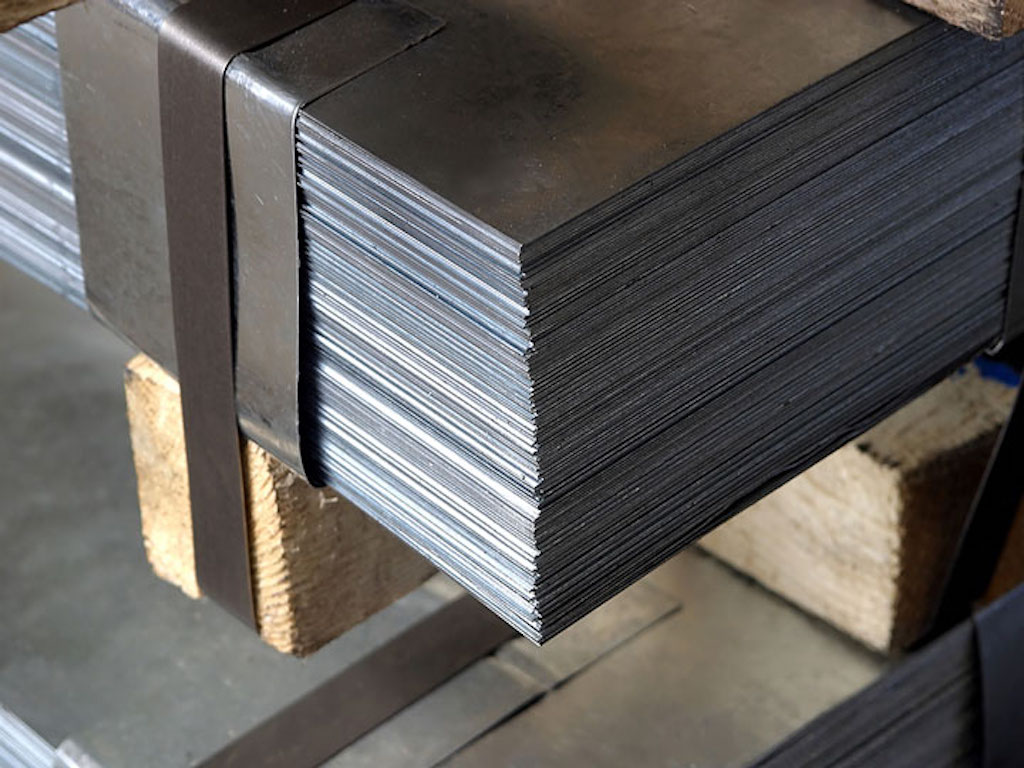
Aluminum is a versatile and widely used metal known for its lightweight, strength, and flexibility. It's a popular material across various industries due to its ability to be cast, melted, formed, machined, and extruded into different shapes. The aluminum extrusion process, in particular, allows for the creation of complex, intricate designs with a variety of finishes, such as anodized, painted, or mill finishes. With its wide range of applications and impressive properties, aluminum continues to be an essential material in industries like aerospace, where strength and weight are critical.
In this article, we’ll explore the advantages of using aluminum alloys like Aluminum 2014, QQ-A-200/2, and 2014-T6511 in the aerospace industry.
Lightweight Properties: One of the most notable features of aluminum alloys like Aluminum 2014 is their lightweight nature. Pure aluminum weighs around 2.71 g/cm³, which is roughly one-third the weight of steel. The lightweight nature of aluminum alloys makes them perfect for applications where weight reduction is crucial, such as in aerospace manufacturing. The reduced weight of aluminum helps improve fuel efficiency in aircraft, making it both cost-effective and environmentally friendly. Additionally, the lightweight nature of aluminum makes it easier and cheaper to transport, further enhancing its appeal in the aerospace industry.
High Strength for Fuel Efficiency: While aluminum is lightweight, it also offers impressive strength, especially in alloys like 2014-T6511. The combination of high strength and low weight makes aluminum alloys an attractive alternative to heavier metals like steel in aerospace applications. Aircraft manufacturers often choose aluminum alloys for critical components, where both strength and weight are crucial for performance. The high strength-to-weight ratio of aluminum alloys helps ensure that aircraft are structurally sound while also being more fuel-efficient.
Corrosion Resistance: Aluminum is naturally corrosion-resistant, thanks to its ability to form a thin, protective oxide layer when exposed to air. This oxide layer acts as a shield, preventing further corrosion and extending the lifespan of aluminum components. Alloys like QQ-A-200/2 benefit from this natural protection, making them ideal for use in harsh environments such as high-altitude aerospace applications, where exposure to moisture and air can lead to corrosion. Additionally, surface treatments like anodizing or painting can further enhance aluminum’s resistance to corrosion, ensuring that components remain durable even under challenging conditions.
Thermal and Electrical Conductivity: Aluminum alloys, such as Aluminum 2014, are highly effective conductors of heat and electricity. While copper is a better conductor, aluminum provides about one-third of the weight of copper, making it an efficient and lightweight alternative. This property is especially useful in aerospace applications where minimizing weight while maintaining effective heat and electrical conduction is crucial. Aluminum’s ability to conduct heat also makes it a popular material for use in heat sinks, such as those found in LED lights, electronics, and computer motherboards, where efficient heat dissipation is required.
Recyclability: One of the standout environmental benefits of aluminum is its recyclability. Aluminum is 100% recyclable, and the recycling process does not degrade its quality or properties. In fact, recycling aluminum consumes up to 95% less energy than producing new aluminum from raw materials. This makes aluminum an environmentally sustainable choice for manufacturers. In the aerospace industry, the use of recycled aluminum helps reduce waste and the carbon footprint of production, while still maintaining the high-quality performance characteristics needed for critical aerospace components.
Conclusion: Aluminum alloys like Aluminum 2014 offer numerous advantages for the aerospace industry. Their exceptional strength-to-weight ratio, corrosion resistance, and thermal and electrical conductivity make them the perfect choice for a wide range of aerospace applications. Furthermore, their recyclability ensures that aluminum remains a sustainable option for manufacturers looking to reduce their environmental impact.
If you're looking for high-quality aluminum products at competitive prices, consider working with FlightMetals. As a trusted supplier of premium aluminum alloys, including AMS 4121, QQ-A-200/2, 2014-T6511, 2219-T851, AMS QQ-A-250/30, Aluminum 2014, and AMS 4599, FlightMetals is committed to providing reliable and cost-effective solutions for your aerospace manufacturing needs.